
What are the components of CoreSelf Positioning?
CoreSelf Positioning is a process for establishing a deeper connection within ourselves, and in our most important relationships. It is made up of:
It can be used as a personal journaling practice to gain clarity about where we are and to reveal the path forward. In personal and professional relationships, it can be used to nurture trust and respect, open up meaningful dialogue, and create sustainable plans.
The concept of CoreSelf Positioning was developed over the last twenty years in the clinical coaching practice of Jonathan Thomas MSW. This is an expansion of CoreSelf Mapping. The process contains both neuroscience and psychology aspects. Jonathan used hand-drawn diagrams to describe some of the many different ways your mind works, especially the relationship between energy, values, and thoughts.
Clients gradually learned to use CoreSelf Positioning on their own. Finding that process helpful, clients asked for something they could read and study about the process which led to the creation of Simple. Not Easy.
Learn more about the origin here.
Applications in Company Settings
CoreSelf Positioning applications in corporate settings bricks a new layer for organizing to align their energy levels with company values and come up with alternative best next steps or Real Questions that can be revisited and unpacked that can change challenging situations.
Granted Coreself positioning utilizing some coaching techniques and initial guidance, however, its future application can help team members self-position without ongoing coaching and guidance.
Some companies can decide to become self-sufficient and certify a specific team member to become certified in CoreSelf Positioning, creating an internal resource on staff that can run future workshops.

Learn More
Insights & Real Questions

Finding Compassion for Yourself Amidst Challenges | CoreSelf Mapping in Real Life
Gina found herself in a difficult position, unsure how to act and questioning whether she was avoiding something or simply navigating a complex situation.Through CoreSelf Mapping, she was able to step back, observe her experience more clearly, and begin to develop compassion for where she was—recognizing that growth does not…

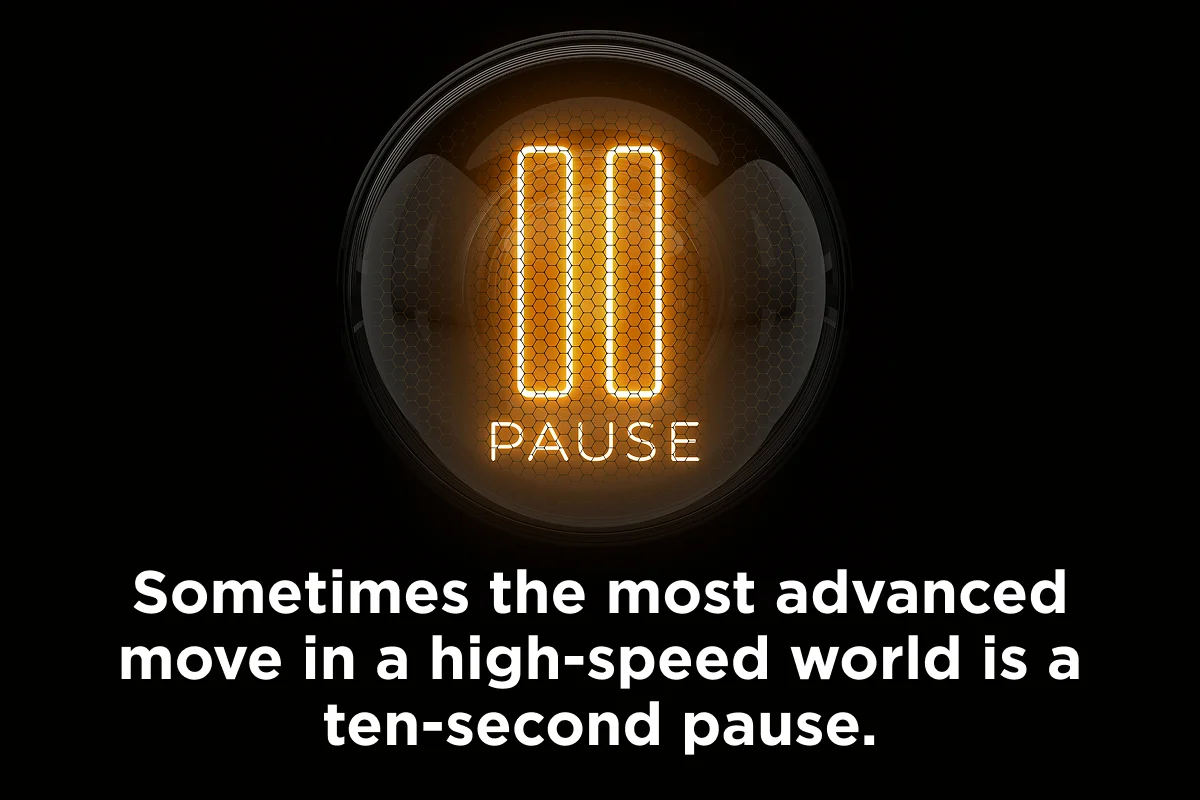
What Happens When Teams Pause for 10 Seconds Before They Optimize
Most teams don’t have an execution problem.They have a sequencing problem. We tend to optimize before we orient. Pressure builds → React → OptimizeThat pattern is everywhere. In leadership meetings, it often looks like this: The data is in.The room is full.The pressure is real. Voices begin to accelerate.Opinions sharpen.Someone…
Before We Optimize Organizations — Especially with AI — Are We Orienting the Humans Within Them?
AI is accelerating organizational capability at a historic pace. And yet something quieter is happening beneath the surface:decision fatigue, cognitive overload, burnout. Why?